

How to identify real sustainable fashion practices and avoid greenwashing in the clothing industry
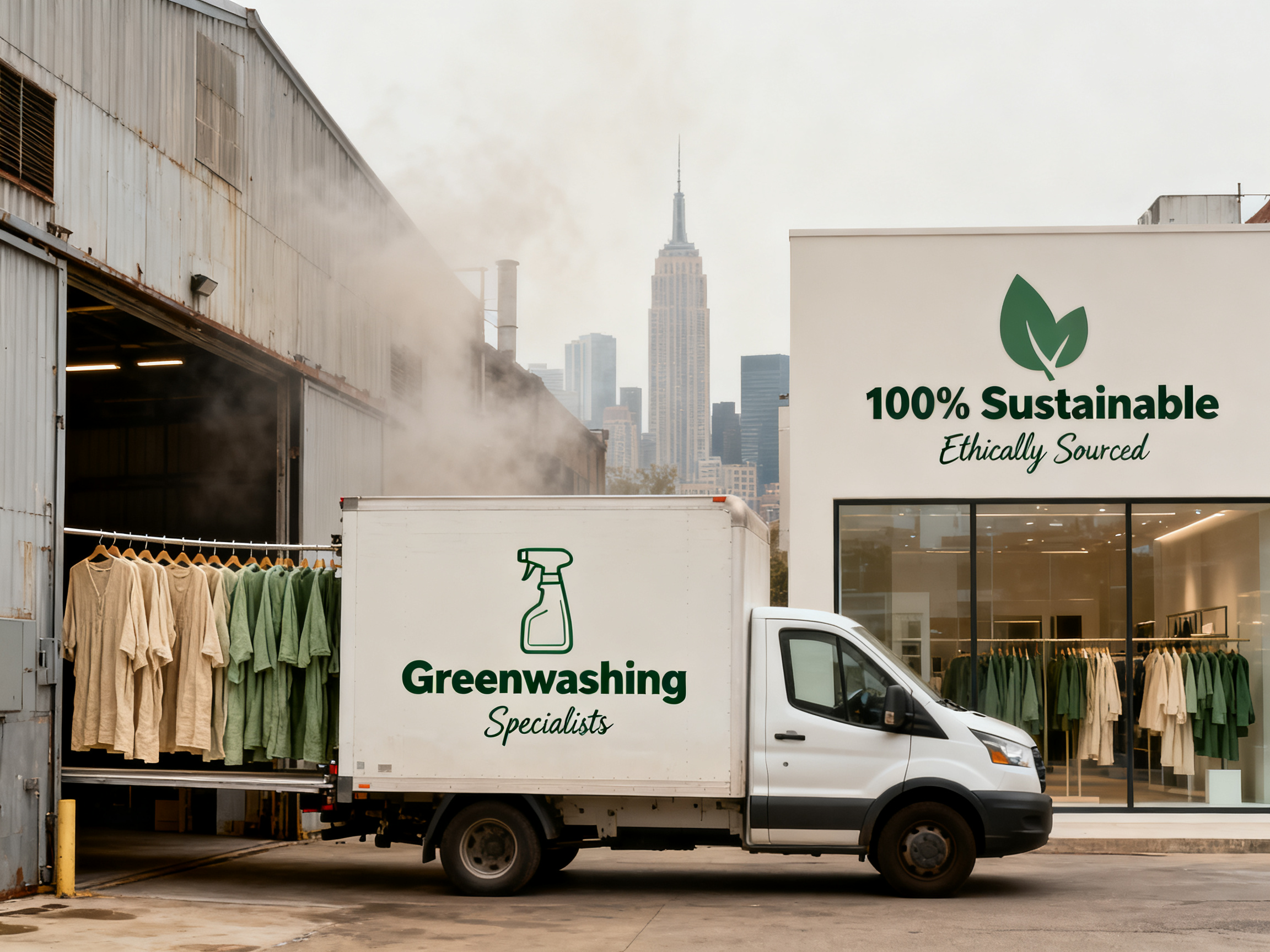
As sustainability becomes a key selling point in the fashion industry, the line between genuine environmental responsibility and marketing tactics has become increasingly blurred. While sustainable fashion aims to reduce environmental and social harm through real changes in materials, production, and business models, greenwashing refers to misleading or exaggerated claims that give the appearance of sustainability without meaningful impact.
Understanding the difference is essential for consumers who want their choices to support real change rather than surface-level branding.
What Is Sustainable Fashion?
Sustainable fashion seeks to minimise negative environmental and social impacts across the entire lifecycle of a garment — from fibre sourcing and manufacturing to use and end of life. It prioritises certified materials, ethical labour, durability, transparency, and circular design strategies.
In practice, sustainable fashion means:
- Using certified organic, recycled, or low-impact materials
- Ensuring fair wages and safe working conditions
- Designing for longevity and repair
- Reducing waste through made-to-order or small-batch production
- Communicating clearly and verifiably about practices
Sustainable fashion is not defined by perfection, but by measurable progress and accountability.
What Is Greenwashing?
Greenwashing occurs when a brand presents itself as environmentally responsible without implementing substantial sustainability practices. This may involve vague claims, selective disclosure, or superficial initiatives that distract from broader harmful operations.
Common signs of greenwashing include:
- Generic claims such as “eco-friendly” or “conscious” with no evidence
- Highlighting one sustainable product while the rest of the range remains conventional
- Lack of third-party certifications
- No transparency about supply chains or environmental impact
Greenwashing undermines consumer trust and slows genuine progress across the industry.
How to Tell the Difference
To distinguish sustainable fashion from greenwashing, consumers can look for:
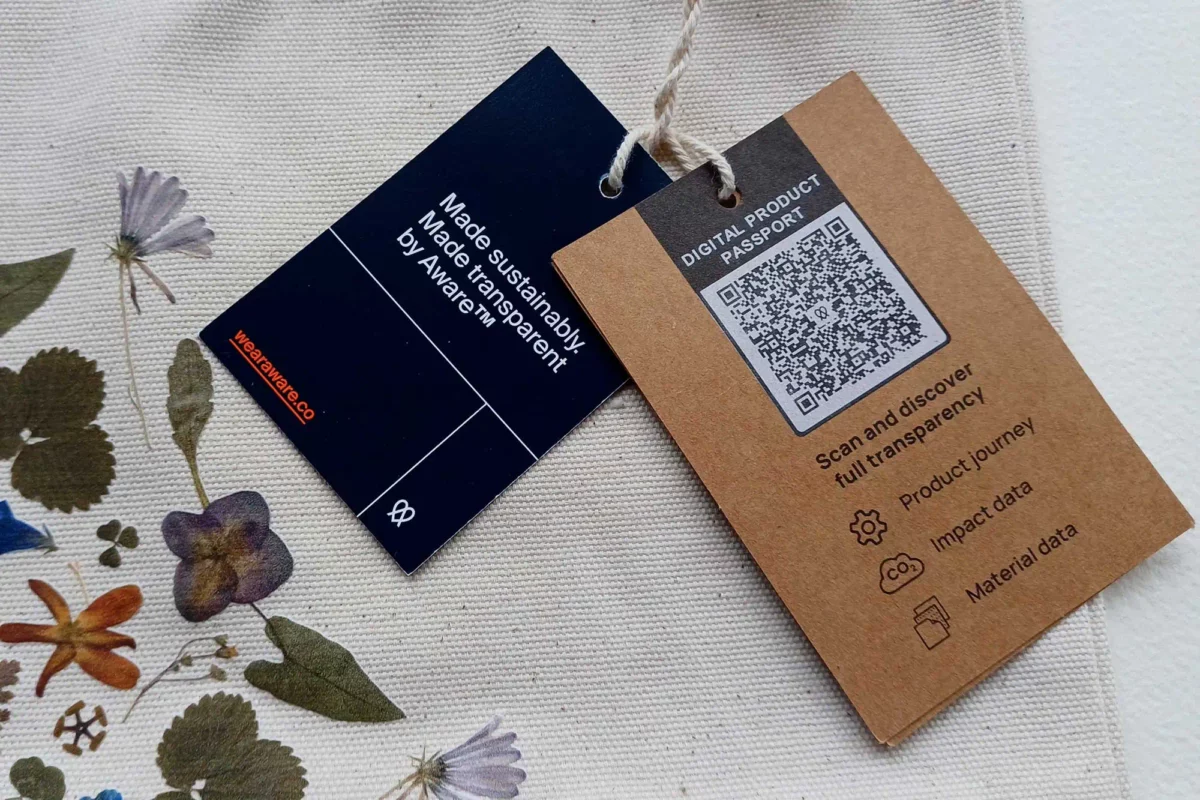
Transparency: Sustainable brands clearly explain where, how, and by whom garments are made.
Third-party certification: Independent standards (such as GOTS, OEKO-TEX, Fair Wear) provide verification beyond brand claims.
Systemic commitment: True sustainability affects the entire business model, not isolated product lines.
Measurable impact: Sustainable brands publish data, targets, and continuous improvement strategies.
Consistency: Values are reflected across collections, not only in marketing campaigns.
What to Ask yourself
To distinguish sustainable fashion from greenwashing, consumers can ask simple but revealing questions:
- Is this item made to order or mass produced?
- Are materials certified, and which certifications are used?
- Where is the product made?
- Does the brand explain its limitations as well as its efforts?
- Is sustainability integrated into the business model—or treated as a campaign?
Clear answers matter more than perfect ones.
Sustainability at Vestya
At Vestya, sustainability is not a trend, it’s the reason why the shop was created in the first place. Our approach includes:
- Made-to-order production to avoid overproduction and waste
- Certified eco-friendly materials selected for lower environmental impact
- Water-based inks and vegan processes
- Independent artist collaborations
- Honest communication and full discloser of what we can — and cannot — solve or control.
We do not claim to be perfect. Instead, we choose practices that meaningfully reduce harm and allow conscious alternatives to exist within a complex industry.
Use your power wisely
Every purchasing decision supports a system. Learning how to recognise the difference between real commitment and marketing language is one of the most powerful tools consumers have.
Sources
- UN Environment Programme (UNEP) – https://www.unep.org/resources/report/sustainability-and-circularity-textiles-value-chain
- European Commission – Sustainable & Green Claims Policy – https://ec.europa.eu/commission/presscorner/detail/en/ip_21_2548
- European Environment Agency (EEA) – https://www.eea.europa.eu/publications/textiles-and-the-environment-the-role-of-design-in-europes-circular-economy
- Global Fashion Agenda (GFA) – https://www.globalfashionagenda.com/publications/
- Textile Exchange – Standards & Sustainability Leadership – https://www.textileexchange.org/the-leadership-in-textile-standards/
- Changing Markets Foundation – Fashion Greenwashing – https://changingmarkets.org/portfolio/fashion-greenwashing/
- Changing Markets Foundation – Dirty Fashion Report – https://changingmarkets.org/portfolio/dirty-fashion/
- Fashion Revolution – Transparency in Fashion – https://www.fashionrevolution.org/about/transparency/
- Fashion Revolution – Greenwashing – https://www.fashionrevolution.org/greenwashing/
- Fair Wear Foundation – Greenwashing in Fashion – https://www.fairwear.org/issues/greenwashing
- WRAP – Valuing Our Clothes – https://www.wrap.ngo/resources/report/valuing-our-clothes-the-cost-of-uk-fashion
- Ethical Consumer – What Is Greenwashing? – https://www.ethicalconsumer.org/fashion-clothing/what-greenwashing
This article was developed by a human with the assistance of AI-supported research.
The featured image on top was created with a prompt text AI generator.