

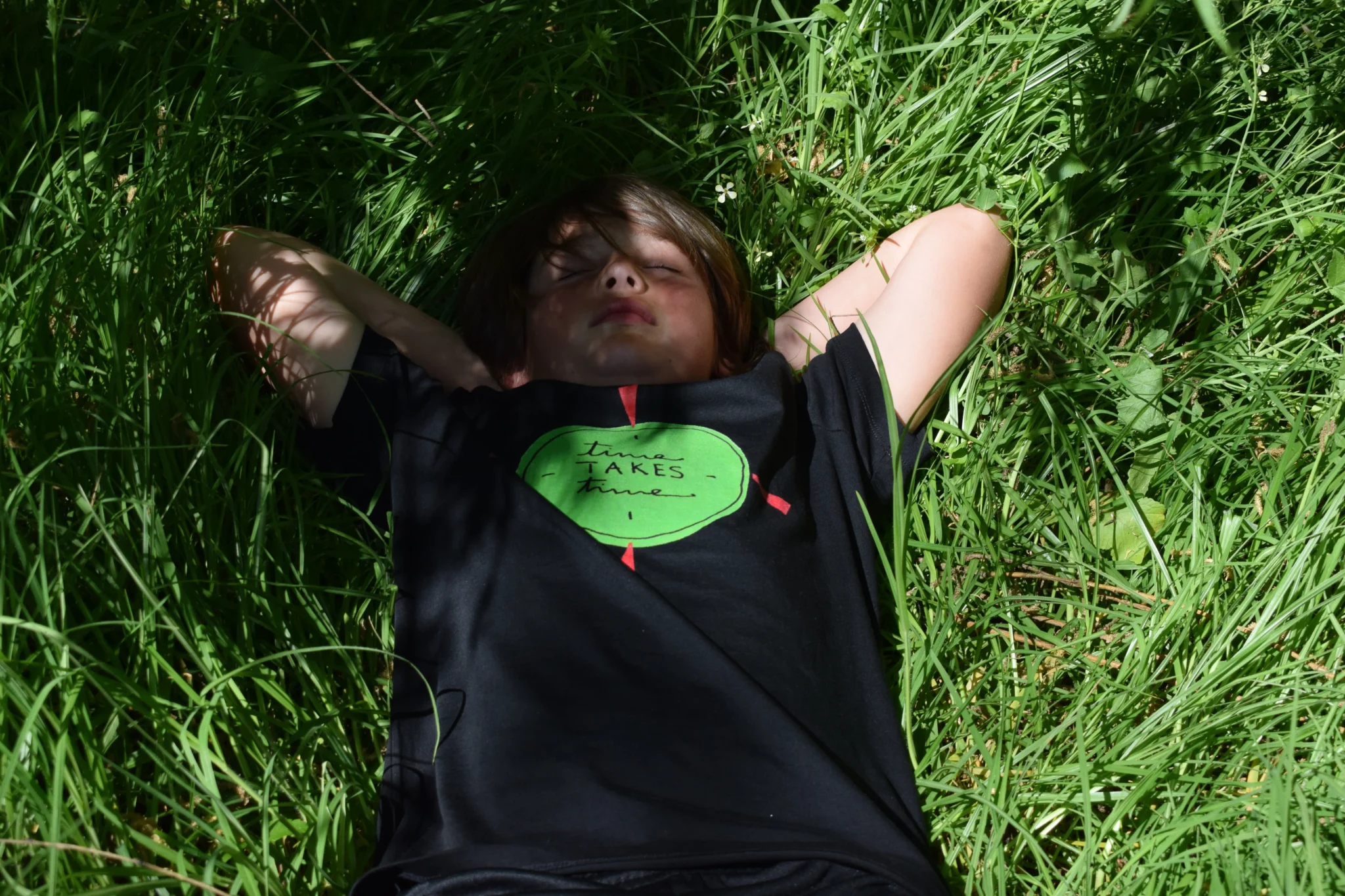
Slow fashion has become a central concept in sustainability discussions, offering an alternative to the environmental and social damage caused by industrialised fashion systems. More than a trend, slow fashion represents a long-term shift in how clothing is produced, consumed, and valued.
What Is Slow Fashion?
Slow fashion is a sustainability-driven approach to fashion that prioritises environmental responsibility, ethical labour practices, durable design, and conscious consumption. It encourages fewer, better-made garments that respect people, ecosystems, and resources throughout their lifecycle.
A Brief History of Slow Fashion
The concept of slow fashion emerged in the mid-2000s, inspired by the slow food movement, which advocated for local, ethical, and environmentally responsible food production. The term was popularised by researcher and designer Kate Fletcher, who used it to describe a fashion system focused on quality, care, and sustainability rather than speed and volume.
As fast fashion brands accelerated production cycles and global outsourcing intensified, slow fashion developed as a critical response—questioning overproduction, labour exploitation, and the environmental cost of disposable clothing.
Slow is not the opposite of fast – there is no dualism – but a different approach in which designers, buyers, retailers and consumers are more aware of the impacts of products on workers, communities and ecosystems.
Kate Fletcher
Why we need to slow down?
The rise of slow fashion is directly linked to the scale of impact caused by conventional fast fashion systems:
- The fashion industry is responsible for 8–10% of global carbon emissions, exceeding aviation and maritime shipping combined.
- Textile dyeing and finishing contribute to around 20% of global industrial wastewater pollution.
- Approximately 92 million tonnes of textile waste are generated every year, with most garments ending in landfills or incineration.
- A large proportion of garments are worn fewer than 10 times before being discarded.
These figures highlight why slowing down fashion production systems is increasingly seen as essential rather than optional.
Core Principles of Slow Fashion
Slow fashion principles are directly shaped by the structural problems of the conventional fast fashion industry:
Quality Over Quantity vs Overproduction and Waste
Fast fashion relies on mass production and short product lifespans, leading to excessive waste. Slow fashion counters this by caring, reusing and creating durable garments designed to last, reducing landfill accumulation and resource extraction.
Sustainable Materials vs Environmental Degradation
Conventional textiles depend heavily on synthetic fibres, pesticides, and toxic dyes. Slow fashion prioritises organic, recycled, and low-impact materials to reduce water consumption, pollution, and biodiversity loss.
Ethical Production vs Labour Exploitation
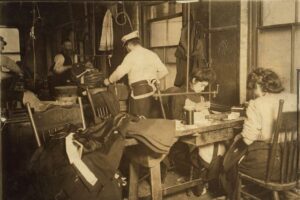
Fast fashion supply chains often obscure unsafe working conditions and unfair wages. Slow fashion places ethical labour at the core, supporting fair pay, safe environments, and worker’s rights.
Mindful Consumption vs Disposable Culture
Rapid trend cycles encourage impulse buying and disposability. Slow fashion challenges this model by promoting intentional purchasing and personal responsibility.
Transparency vs Lack of Accountability
Opaque supply chains make it difficult to assess environmental and social impact. Slow fashion emphasises traceability and open communication, enabling informed consumer choices.
Benefits of Slow Fashion
Adopting slow fashion principles produces measurable benefits:
- Reduced environmental footprint through lower emissions, water use, and chemical pollution
- Longer garment lifespans, reducing the need for constant replacement
- Improved working conditions and fairer distribution of value across the supply chain
- Stronger connection between consumer and product, encouraging care, repair, and reuse
- Support for local artisans and traditional skills, strengthening resilient economies
Challenges and Limitations of Slow Fashion
While slow fashion offers clear environmental and social benefits, it is not without challenges. Understanding these limitations is essential to avoid idealising the concept and to support realistic, long-term change.
Higher Price Per Garment
Buying slow fashion new pieces often cost more upfront due to higher-quality materials, ethical labour practices, and smaller production runs. This can create accessibility barriers for consumers with limited budgets, even though cost-per-wear is typically lower over time.
Limited Accessibility and Scale
Many slow fashion brands operate at small or medium scale. As a result, product availability, sizing ranges, and geographic reach may be limited compared to fast fashion retailers with global distribution networks.
Consumer Habits and Expectations
Decades of fast fashion have normalised low prices, rapid trend turnover, and instant availability. Shifting consumer behaviour toward mindful purchasing and long-term use remains one of the biggest obstacles to wider adoption of slow fashion.
Supply Chain Complexity
Sourcing certified, ethical, and low-impact materials requires time, transparency, and coordination across suppliers. For small brands, maintaining traceability and consistency can be operationally demanding.
Greenwashing Risks
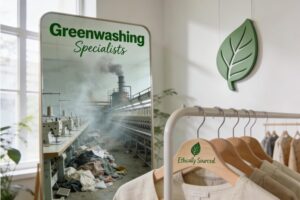
As sustainability becomes mainstream, some brands adopt the language of slow fashion without changing underlying practices. This makes it harder for consumers to distinguish genuinely responsible brands from those using sustainability as a marketing tool.
Systemic Constraints
Slow fashion operates within a broader economic system still driven by growth and volume. Without policy support, infrastructure for textile recycling, and regulatory pressure, slow fashion alone cannot fully offset the impacts of industrial fashion.
Acknowledging these challenges does not weaken the slow fashion movement—it strengthens it by grounding sustainability in realism, accountability, and continuous improvement.
Common Slow Fashion Set-Ups
Slow fashion is not a single model, but a collection of production and business approaches designed to reduce environmental and social impact. The most common slow fashion set-ups include:
- Made-to-order / Print-on-demand: Garments are produced only after purchase, preventing overproduction and stock waste.
- Small-batch or limited editions: Designs are released in controlled quantities, allowing quality control and reducing unsold inventory.
- Local or regional manufacturing: Production is kept geographically close, lowering transport emissions and improving labour oversight.
- Artisan and craft-based production: Handmade or traditional techniques preserve skills and prioritise human labour over automation.
- Circular fashion models: Brands integrate repair, reuse, recycling, and take-back systems to extend product life cycles.
- Upcycling and deadstock reuse: Existing materials are transformed into new garments, reducing reliance on virgin resources.
- Seasonless design strategies: Collections are not tied to trend calendars, focusing instead on timeless relevance.
- Artist-run or cooperative structures: Designers and workers retain creative and economic control, ensuring fairer value distribution.
- Care- and repair-focused brands: Longevity is actively supported through education, services, and accessible repair options.
How Vestya Stays Slow
Our model is based in several of the previously mentioned:
Made-to-order production
At Vestya, garments are made to order, meaning we do not produce if you don’t make an order, it might take a few more days to reach you but it reduces overproduction and unsold stock to absolute zero!
Personalized and Inclusive Designs
This model also allows us to offer several size (from XS to 5XL) and colour variations in inclusive ways, offering personalization without the risk of not selling, limiting waste at the source rather than managing it after.
Certified materials + Ethical sourcing
All our products use only high quality, certified, low-impact fabrics and eco-friendly inks, helping reduce environmental pressure while ensuring product durability. We also source our products from fair and ethical like minded business at all levels.
Informative Content
In our website we share content that help consumers stay informed and understand the current textile industry problems, meanwhile giving tools to better choose and support alternatives, raising awareness and encouraging mindful consumption.
Artist-led design + Partnerships
By collaborating with independent artists and certified suppliers, Vestya supports fair creative value distribution while maintaining smaller, more transparent supply chains. We also contribute for an environmental association with a share of each sale’s profit, as a way to further reduce our carbon impact.
Transparent communication
Transparency plays a central role and we use clear communication around materials, production methods, and certifications. We also make available the full tracking of most of our products which helps customers make informed decisions and reduces the risk of greenwashing.
Becoming a Slow Consumer
Being a slow consumer does not require perfection, but intention and attention in the choices made.
Before buying ask yourself if you really need it, if it must be new or if you could get it second hand, borrowed or even repair and transform something you already have. When you do buy choose better quality, preferably recycled organic materials using ecological inks. Question marketing claims and look out for certifications that guarantee the materials used and assure the labour conditions of the manufacturing workers. Support local artisans, small enterprises and brands that respect people and ecosystems.
And understand that every purchase you do is also a vote for the kind of fashion system we want to sustain. In this way, slow fashion becomes not just a way of dressing, but a way of participating more consciously in the world.
Sources
https://earth.org/what-is-slow-fashion/
https://en.wikipedia.org/wiki/Slow_fashion
https://tld-apparel.com/news-inspired/what-is-slow-fashion/
https://ellenmacarthurfoundation.org/topics/textiles/overview
https://enviroself.com/the-rise-of-slow-fashion-why-it-matters
https://environment.ec.europa.eu/strategy/textiles-strategy_en
https://www.unep.org/resources/report/sustainability-and-circularity-textile-value-chain
https://www.spirithoods.com/blogs/news/what-is-slow-fashion-and-why-fast-fashion-is-bad
https://www.textileschool.com/29262/fast-fashion-vs-slow-fashion-a-path-to-sustainable-style
https://commission.europa.eu/business-economy-euro/consumer-protection/green-claims_en
https://tecendoideias.com/como-o-slow-fashion-esta-redefinindo-as-tendencias-de-moda-sustentavel/
https://environment.ec.europa.eu/topics/circular-economy/ecodesign-sustainable-products-regulation_en
https://brandsbag.de/en/blog/2023/slow-fashion-The-advantages-and-disadvantages-of-a-sustainable-trend
This article was developed by a human with the assistance of AI-supported research.